
OUR STORY
What started as a grant-funded research project in 2020 - designing and creating beach running shoes made from recycled fishing line collected off the coast of North Carolina - has grown into PISEAS, a material innovation venture that transforms discarded fishing gear (line and nets) collected across the United States into raw material for manufacturing.
PISEAS, named for the founder’s astrological sign and deep sense of belonging in the water, is rooted in a commitment to transparency and the revitalization of domestic manufacturing.
OUR EDGE
-
We source our fishing gear from across the continental United States and recycle it in North Carolina, the founder’s home state. Unlike other operations that collect gear in one country and ship it thousands of miles for processing and manufacturing, our supply chain is intentionally local and transparent.
💡 For context: some companies collect nets off the coast of Bali, ship them to Taiwan to be recycled, then send the recycled material to Vietnam to be spun into yarn - all before it ends up in your running shoe. That’s a long journey with high emissions and little traceability.We have a transparent supply chain because we work directly with everyday people - marine biologists, dockhands, and tackle shop owners - not with large corporations looking to offload post-industrial waste. This means we can trace exactly where each piece of gear was collected, whether it’s pulled from the depths of a forest near Charleston Harbor or dropped into a PVC recycling bin on a pier in Wisconsin.
We’re selective. We don’t let our recycled material go into disposable or short-lived products. No plastic spoons. No branded swag. No flimsy plant pots. The effort it takes to recover and recycle this gear deserves to be reflected in products that are built to last.
OUR NUMBERS
100%
RECYCLED NYLON
NYLON 6, 66, OR CERTIFIED BLEND
100%
U.S. SUPPLY CHAIN
SOURCED + PROCESSED RIGHT HERE IN THE U.S.
100%
TRACEABLE
EACH STRAND TRACED
+ ACCOUNTED FOR
100%
POST-CONSUMER
ONLY THE REAL, DISCARDED STUFF
OUR PROCESS
-
How? With our process! It’s nothing fancy, we didn’t set out to reinvent the wheel. Instead, like any good industrial designer, we borrowed existing technology and adapted it to meet our needs.
After a lot of research, and we mean A LOT. We’re talking hours lost in scientific journals about mechanical and chemical recycling - our founder had her “aha” moment. Fishing gear? It’s mostly nylon. And nylon? It’s a plastic, specifically a polyamide, that just might be recyclable using the same old-school mechanical recycling process used for plastic bottles.
It’s simple and straightforward stuff - collect the plastic, sort it by type and color, shred it into flakes, melt it down, and extrude it into pellets, which can then be used as the base for new plastic products. Like we said, it’s nothing fancy. We’re just borrowing proven tech and putting it to work in a new way.Still wondering how fishing gear can be recycled like plastic bottles even though they’re nothing alike? Let’s break it down!
SOURCE
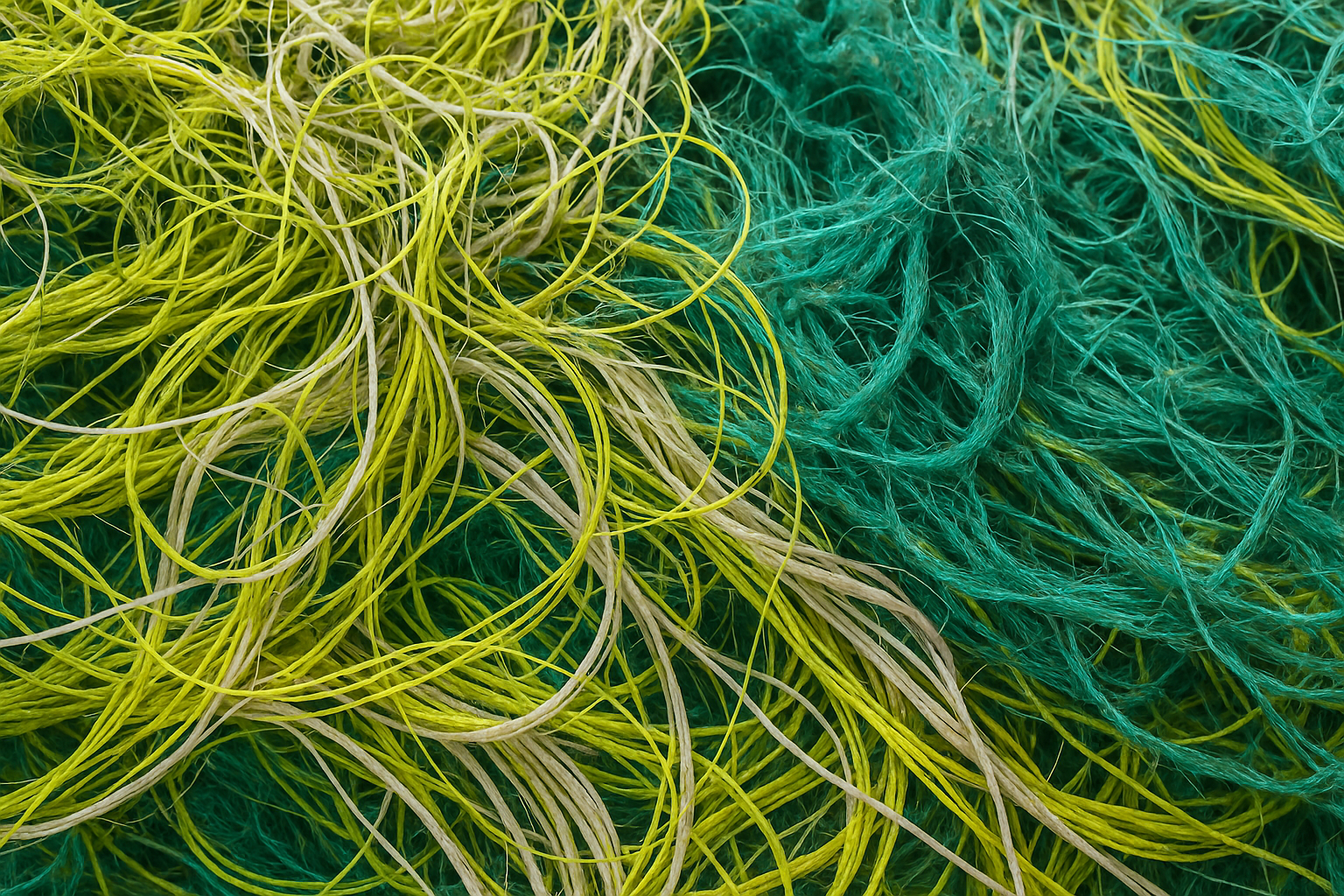
We source our discarded fishing gear from a nationwide network of fishing folks - mom-and-pop tackle shops, local recycling programs, government agencies, monofilament manufacturers, recreational and commercial fishers, netmakers, and probably your next-door neighbor. This community makes what we do possible, and boy oh boy, have they been happy to help!*
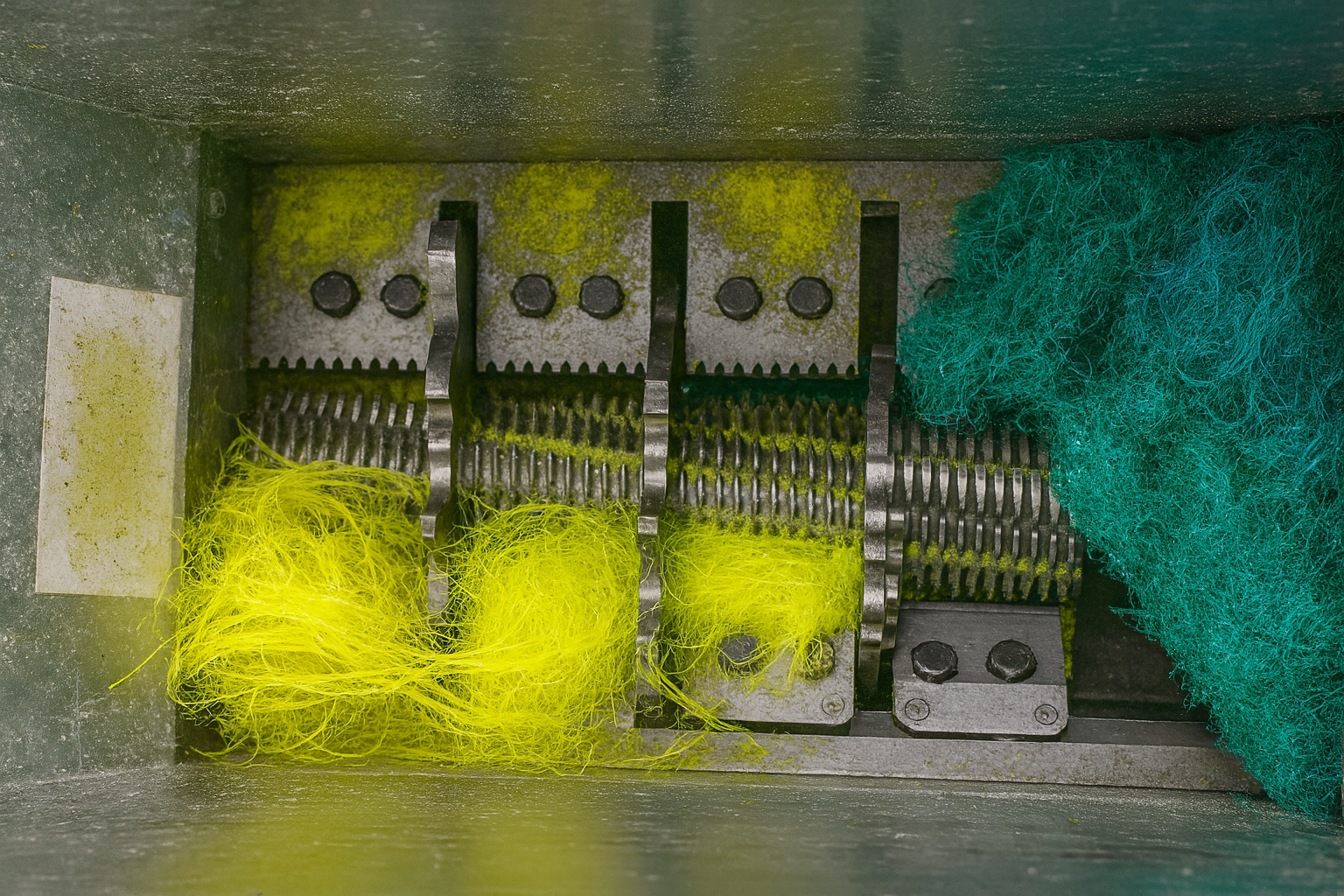
SHRED
Once we’ve sourced the gear, we remove any inorganic debris and shred the material down to make it easier to process. *For anyone wondering - yes, figuring out how to shred our fishing gear was a nightmare. We tried everything: a food processor, a Slap Chop, even a mulcher. Nothing worked. Then our friends at Superforma in Italy stepped in, ran a test with our material and their shredder, and, miraculously, it worked! Gratzie mille 🤌🏻
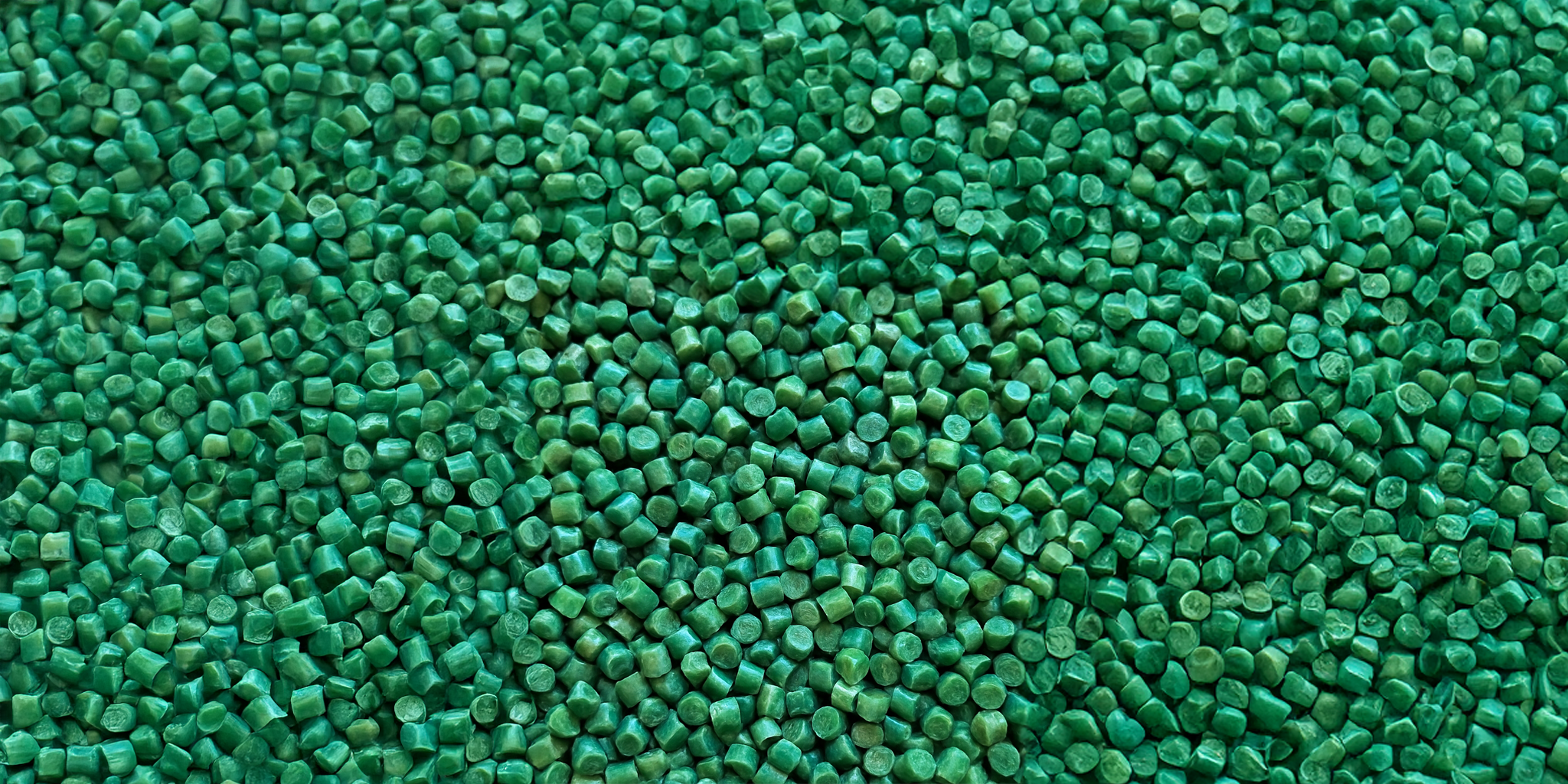
PELLETIZE
Once shredded, the gear is melted and formed into pellets (aka nurdles). These precious nurdles serve as the raw material for manufacturing, but not just for any products. We focus on goods that are built to last. After all, what’s the point of using recycled material if the final product isn’t made to endure?
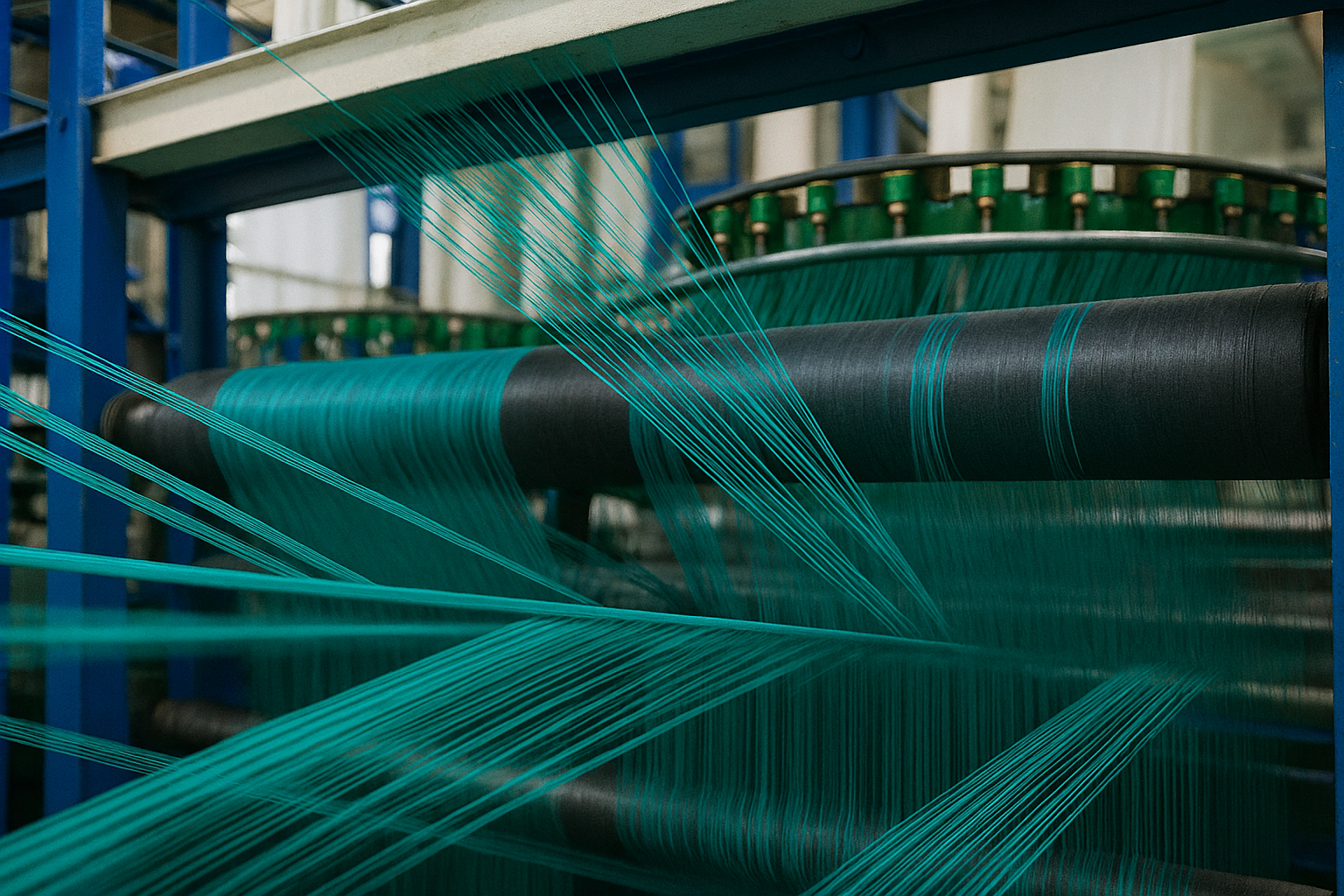
INNOVATE
This is where the magic happens. We collaborate with designers, engineers, and manufacturers to explore the full potential of our recycled material, whether in nurdle form or spun into yarn. The material is integrated into existing supply chains and used in processes like injection molding or textile production. Whether it’s reimagining design, improving performance, or developing entirely new applications, this stage is all about pushing boundaries. Not just in what we make, but in how we make it.
OUR PARTNERS







Interested in joining forces?
Give us a shout!
-
Because for years, the fishing industry has only had three viable options for “responsible” disposal of used gear:
Get crafty and make something out of it
Send it to a landfill
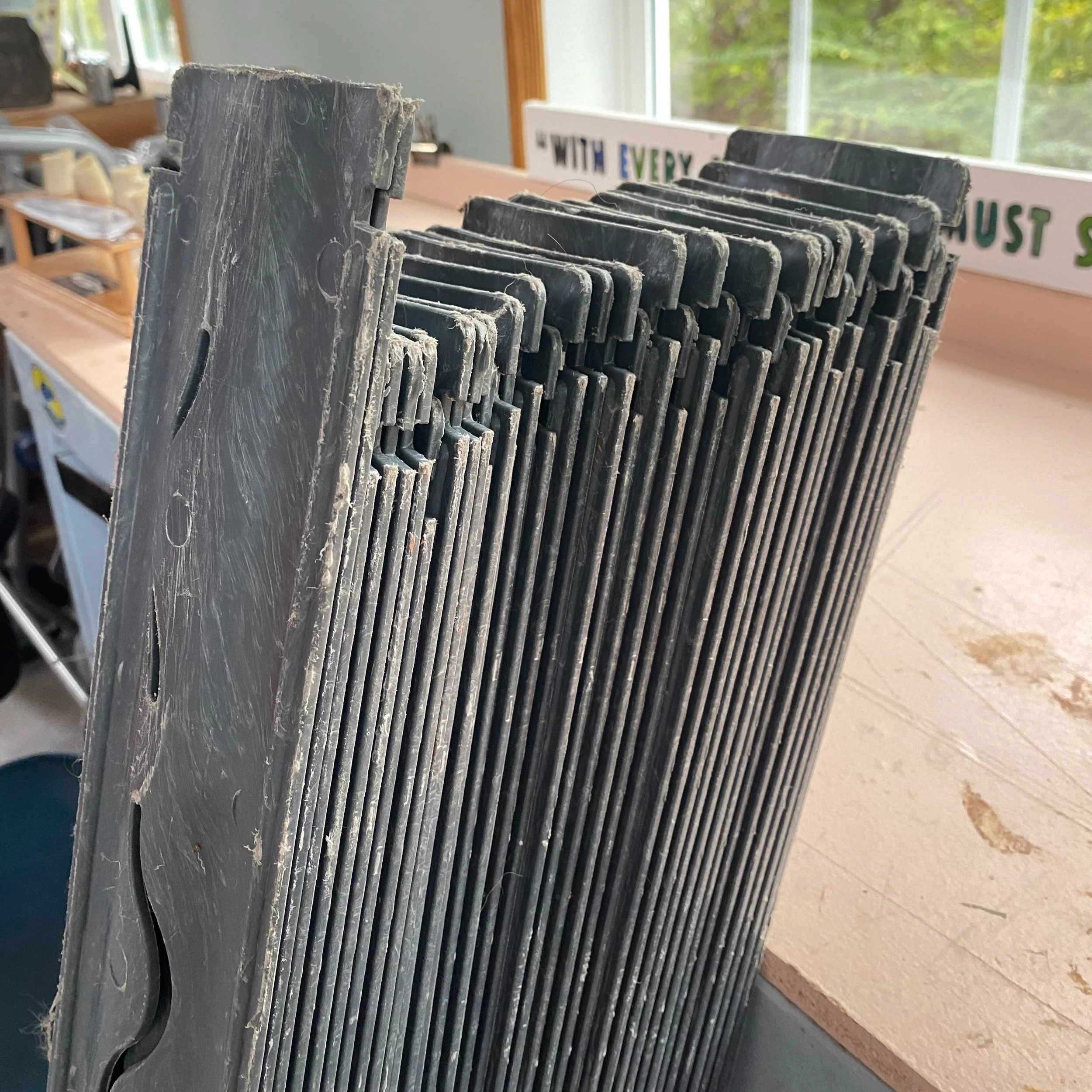
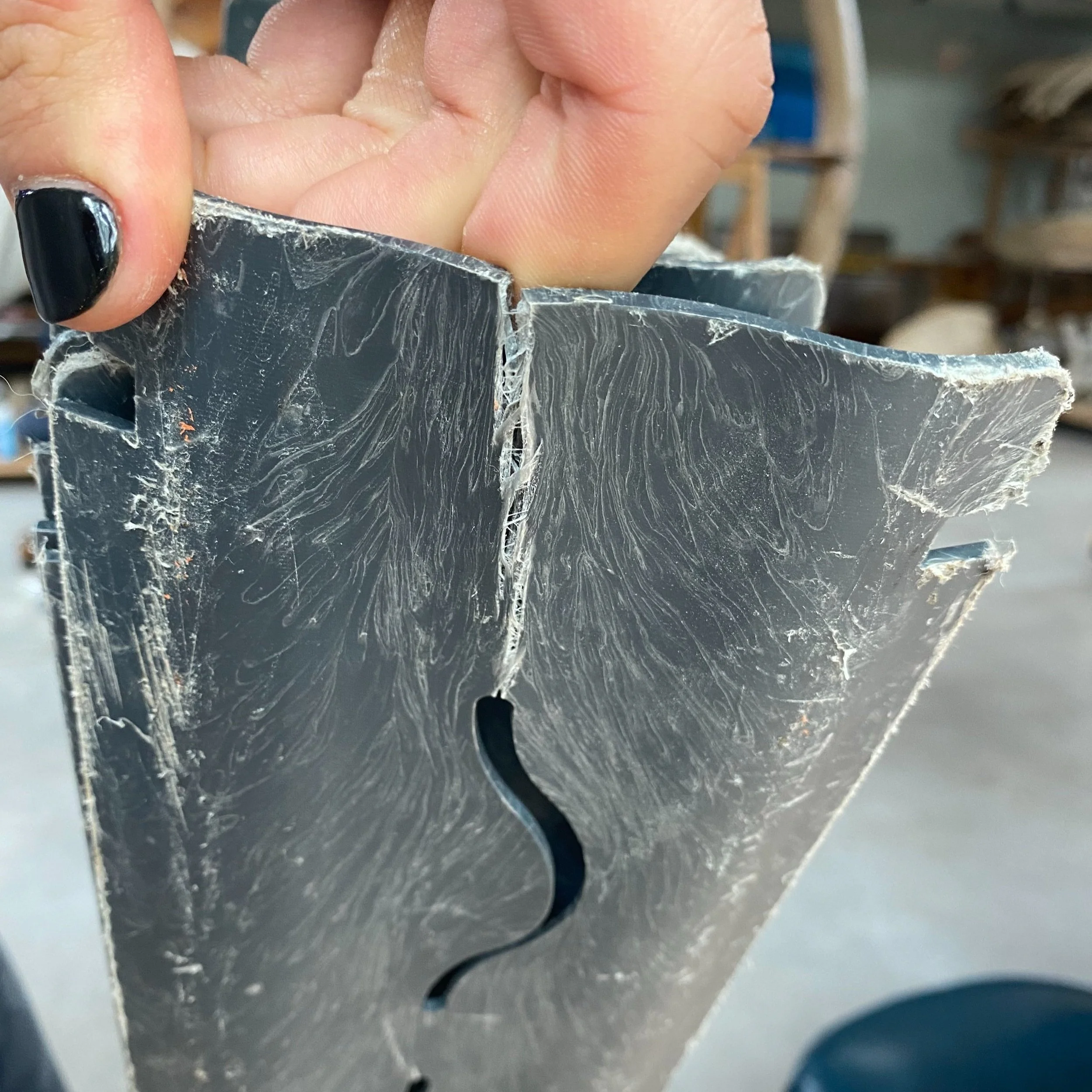
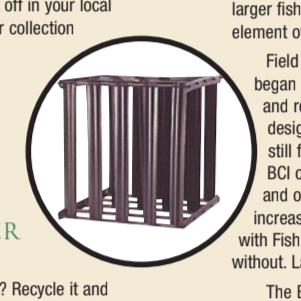
Send it to _______, a fishing tackle manufacturer that blends used line with other plastics - like spools, milk jugs, and soda bottles - to create artificial fish habitats. (So… we intercept the fishing gear before it hits the water, just to put it back in?)
Unfortunately, these fish habs aren’t the answer. They’re poorly made and break down fast, even under ideal conditions (think: indoors, under a desk… see below ⬇️).
This community deserved a smarter and more sustainable solution to disposing of fishing gear, so we created it.